
Dream Mania - Match 3 Games
PlayfluxPuzzle
4.75.50K Reviews
- Version
- 2.1.7
- Installs
- 10.00M
- Age Rating
- Everyone
Screenshots

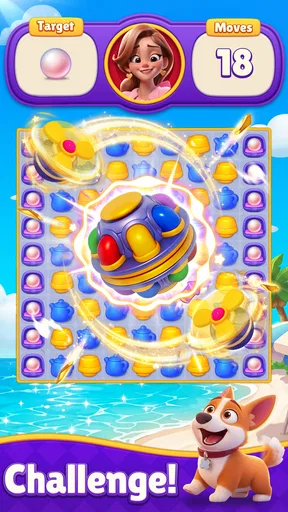



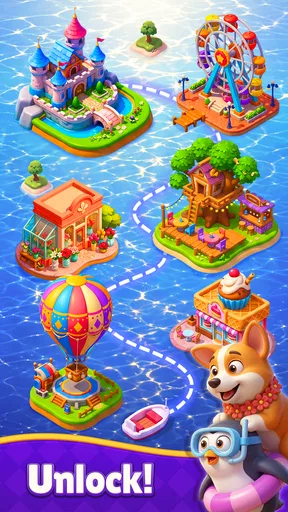

Our Review of Dream Mania - Match 3 Games
 Analysis by Appyee
When I want a puzzle I can pick up for a few minutes without learning a complicated rule set, I’m drawn to games built around matching and steady progress. Dream Mania - Match 3 Games pairs that familiar kind of puzzle with a castle-renovation goal, giving each cleared board a reason to feel like part of a larger journey. I find it easy to settle into, though its increasingly demanding levels and optional purchases mean it suits some moods better than others.
Getting Started with Dream Mania
Jumping into Dream Mania - Match 3 Games is like slipping into a cozy pair of slippers. Right from the start, the game welcomes you with vibrant colors and whimsical graphics that set the mood for a fun escape. It’s like walking into a candy store where each level is a new treat waiting to be unwrapped.
A Simple Match-Three Routine
The mechanics of Dream Mania are as simple as they come. You match three or more identical items to clear them from the board. But don’t be fooled by its simplicity! As you advance, the game throws in fresh challenges that keep you on your toes. I found myself saying, “Just one more level,” more times than I’d like to admit.
The real charm lies in how the game introduces new elements gradually. Whether it’s tricky obstacles or special boosters, there’s always something new that keeps you engaged without feeling overwhelmed.
That makes the basic routine approachable for someone who has never spent much time with match-three games: look over the board, make a match, and adjust as pieces change. I recommend pausing for a moment before the first move rather than swiping immediately. A quick scan can show whether a match near an obstacle is more useful than an easy match elsewhere. It is a small habit, but it helps me feel that I am making a choice instead of simply reacting to the most obvious colors.
The castle gives the puzzle a broader purpose, but I treat it as motivation rather than a separate renovation simulator. The core activity remains solving boards; the renovation theme helps connect one win to the next. If you mainly want a story-heavy decorating game in which you spend most of your time arranging rooms, this is not the same kind of experience. If you like a clear puzzle loop with a visual goal behind it, that balance makes more sense.
How I Approach a Level
I get the best results by treating each board as a little problem rather than trying to make the largest-looking match every time. When a level has an obstacle, I first consider whether nearby matches can help clear it or open up useful space. That is more reliable than making a match at the edge simply because it is available. As the board shifts, I reassess instead of sticking to a plan that no longer fits.
Boosters are worth thinking about as resources, not automatic buttons. If a board is close to completion, spending one may save a retry, but using it early just to make a move feel dramatic can leave me without help when the remaining objective is awkward. I try to identify what is actually blocking progress before using one. This is a practical way to avoid spending impulsively, especially when I am playing casually and do not need to finish a stage immediately.
There is also a useful difference between a short session and a focused one. For a quick break, I play a level or two and accept that I may stop at a difficult point. When I have more time, I pay closer attention to how the board is changing and whether an early move can set up a better follow-up. The game works for both habits, but I enjoy it most when I do not turn every attempt into a race to clear as much as possible.
Visuals and Sound Design
The visuals in Dream Mania are a feast for the eyes. Each level is beautifully designed with vibrant colors and cute animations. It’s like a mini-vacation for your brain, with each swipe accompanied by delightful sound effects that enhance the experience. I loved how the sound design adds an extra layer of satisfaction to each successful match.
That bright presentation is part of why I find the game easy to return to after a busy day: the board is visually lively, and matches give clear feedback. Still, I would not assume every player wants sound on during every session. In a waiting room, on a commute, or beside someone who is working, I would check the sound controls before starting. A puzzle can be relaxing without filling the room with effects, and the visual feedback remains important even when I prefer to play quietly.
Progress, Patience, and the Castle
One of the things I absolutely love about Dream Mania is its level progression. It feels thoughtfully crafted, ensuring you never hit a boring patch. The game keeps things fresh and exciting, and the difficulty level ramps up just enough to keep you challenged without feeling frustrated.
And let’s talk about the feeling of accomplishment when you clear a particularly tough level. It’s pure joy and definitely keeps you coming back for more.
For me, a good stopping point is after a clear win or after I have made a couple of thoughtful attempts at a stubborn board. That keeps the game in the role of a pleasant break instead of turning it into a source of irritation. When I am stuck, I step away and return later with fresh eyes; a board that looked impossible when I was rushing can be easier to read after a pause. This is especially useful if I only have a few minutes and do not want a tough level to take over the whole break.
The progression also asks for patience. A run of wins feels satisfying, but I would not expect every level to fall on the first try as the puzzles become more involved. That is a normal trade-off for a game that needs to keep challenging returning players. If you need a puzzle game that guarantees quick completion every time, this may not be the best match. If you are comfortable with occasional retries and enjoy learning what a board is asking you to do, the gradual increase gives the routine some staying power.
Settings and Spending with a Light Touch
Before settling into a longer session, I would check the available settings and adjust the sound to suit where I am playing. That simple check makes the game easier to fit around real life: quiet for a shared space, or sound on when I can enjoy the effects without distraction. I also make a habit of looking at the screen before tapping through prompts, especially when I am playing on autopilot. It is a sensible way to keep a casual session casual and avoid treating a purchase prompt as part of the puzzle.
Now, let’s chat about the not-so-fun part – in-game purchases and ads. Dream Mania offers in-app purchases for those who want to buy extra lives or boosters. While you can progress without spending a dime, sometimes patience is key. The ads are fairly unobtrusive, but if they’re not your thing, there’s an option to remove them with a purchase.
The game is free to download, while optional in-app purchases range from $0.99 to $99.99 per item. That is a wide enough range that I would treat any purchase as a deliberate choice, not a small automatic add-on. I would first see how naturally I progress without buying help and decide whether the game’s pace still feels enjoyable. If waiting or retrying turns the experience into a chore, paying may not solve the underlying mismatch; a different puzzle game could be a better use of your time.
For younger players, the Everyone age rating makes the game broadly suitable, but I would still set expectations around purchases on a device shared with a child. The practical question is not only whether the puzzles are accessible; it is also whether optional spending is something the household wants to manage. A free starting point is convenient, but it does not mean every later convenience is free. Keeping that distinction clear makes it easier to enjoy the game without surprises.
Who Will Enjoy It, and Who May Prefer Another Puzzle
I think this is a good fit for people who like familiar match-three rules, colorful presentation, and a reason to keep progressing beyond a single board. It is particularly easy to recommend to someone who wants a mobile game for short pauses: while waiting for a meal, taking a quiet break between tasks, or unwinding before bed. You can focus on one level without needing to coordinate with teammates or remember a complicated control scheme, which is a real advantage when attention is limited.
Consider an ordinary commute with a few minutes to spare. I would open the game, check that the sound suits the setting, and try one level rather than planning a long session. If it is an easy board, I get a tidy sense of completion; if it is tricky, I can stop and revisit it later rather than spending money or rushing through moves. That repeatable approach is more satisfying than treating every spare moment as a push to progress as fast as possible.
Compared with a word puzzle or a logic game, Dream Mania is more about spotting combinations and adapting as the board changes than solving a single fixed riddle. Compared with other match-three games, its castle-renovation framing gives wins a continuing context, while the familiar matching remains the main attraction. I would choose a pure logic puzzle if I wanted a slower, more deliberate challenge, and a competitive puzzle game if I wanted to measure my play against other people. This one is better for a relaxed solo routine.
It may not suit players who dislike retries, prefer every session to have a firm ending, or want a game without purchase prompts and optional spending. Nor would I recommend it as a substitute for a deep strategy game: its appeal is quick decisions and a manageable puzzle loop, not intricate planning across a long campaign. Knowing that distinction helps set fair expectations before downloading it.
What to Expect from the App
Playflux’s puzzle game has an average rating of 4.8 from around 430,000 ratings, with about 4,800 written reviews and over 10 million installs. Those figures suggest a broad audience has taken to it, but they do not tell me whether its pacing suits a particular person. My more useful test is whether I enjoy the first stretch of matching and whether I am comfortable with the gradual challenge. The game is free, so trying its basic loop is a straightforward way to decide.
It was released on June 1, 2023, and its current version is 2.0.0. It requires Android 7.0 or later. Those details are useful if you are checking compatibility on an older phone, but I would still make sure the game is available for your particular device and operating system before planning to play. The game is classified for Everyone, which helps families assess whether its general content is appropriate, while purchases remain a separate consideration.
A common practical question is whether a player must spend to make progress. I would approach it as a free-to-play puzzle and try the levels without buying boosters first. The available purchases can offer convenience, but the basic appeal is matching and figuring out each board; a purchase is not the only reason to give it a chance. Another question is whether it is suitable for brief sessions. In my view, yes: individual boards provide natural pauses, though a difficult stage may take longer than expected if you decide to keep retrying.
If you are choosing between this and another casual game, ask what kind of satisfaction you want. Dream Mania suits the small reward of clearing a board and gradually moving through a castle-themed progression. It is less suitable if you want a detailed narrative, a competitive ranking focus, or a puzzle that can be completed in a fixed number of minutes. That is not a flaw so much as a useful boundary: its best role is an easy-to-open match-three diversion.
Why You Should Give It a Try
So, why should you dive into Dream Mania? Well, if you’re a fan of match-3 puzzles or just looking for a delightful way to unwind, this game is worth a download. It’s a perfect blend of challenge, creativity, and fun that keeps you entertained for hours.
Overall, Dream Mania - Match 3 Games ticks all the right boxes with its engaging gameplay, stunning visuals, and a soundtrack that perfectly complements the experience. Whether you’re a casual gamer or a match-3 aficionado, you’ll find plenty to love about this charming game.
My recommendation comes with one qualification: I would pick it for relaxed matching and gradual progress, not for a guaranteed easy win or a completely purchase-free experience. Keep boosters for moments when they genuinely help, pause when a board stops being fun, and let the castle progression be a pleasant backdrop rather than a reason to push through frustration. With that approach, it is a cheerful option for spare moments and a sensible choice for anyone who already knows they enjoy match-three puzzles.
Verdict
Strengths of Dream Mania - Match 3 Games
- Engaging levels with increasing challenges.
- Vibrant graphics enhance user experience.
- Frequent updates with new content.
- Smooth gameplay without noticeable lags.
- In-game rewards keep players motivated.
Limitations of Dream Mania - Match 3 Games
- In-app purchases can be expensive.
- Ads may interrupt gameplay occasionally.
- Limited lives can slow down progress.
- Requires internet for some features.
- Some levels can feel repetitive.
Other Releases by Playflux
View All
Dream Family - Match 3 Games
Casual4.8

Tile Family®:Match Puzzle Game
Puzzle4.8
Similar Picks in This Category
View All
Block Blast!
HungryStudio4.8

Braindom: Brain Games Test
Lahana Game Studio4.6

AMAZE!
CrazyLabs LTD4.6

Sudoku - Classic Sudoku Puzzle
Oakever Games4.7

Art Puzzle - Puzzle Games
Easybrain4.8

Amaze GO!
Oakever Games4.9
Frequently Asked Questions
What is Dream Mania - Match 3 Games about?
Dream Mania - Match 3 Games is a puzzle game designed for both casual and avid gamers. It involves matching three or more identical items to complete levels. With vibrant graphics, engaging sound effects, and a variety of levels, it offers a visually appealing and challenging experience for players of all ages.
Are there in-app purchases in Dream Mania?
Yes, Dream Mania offers in-app purchases. While the game is free to download and play, players can purchase boosters, extra lives, and special items to enhance gameplay. These purchases are optional, but they can help players progress through challenging levels more quickly.
Is an internet connection required to play Dream Mania?
An internet connection is not required to play Dream Mania. Players can enjoy the game offline, making it a great option for those who want to play during travel or in areas with limited connectivity. However, an internet connection is necessary for updates and accessing certain features.
How does Dream Mania handle user data and privacy?
Dream Mania adheres to strict privacy policies to ensure user data is protected. The app collects minimal user information necessary for functionality, such as progress and in-app purchases, and complies with standard data protection regulations. For detailed information, users can review the privacy policy in the app’s settings.
What accessibility features does Dream Mania offer?
Dream Mania includes several accessibility features to accommodate different player needs. These may include adjustable text sizes, colorblind modes, and customizable controls. The game aims to be inclusive, providing options to ensure that all players have a comfortable and enjoyable gaming experience.
Play our best games!


